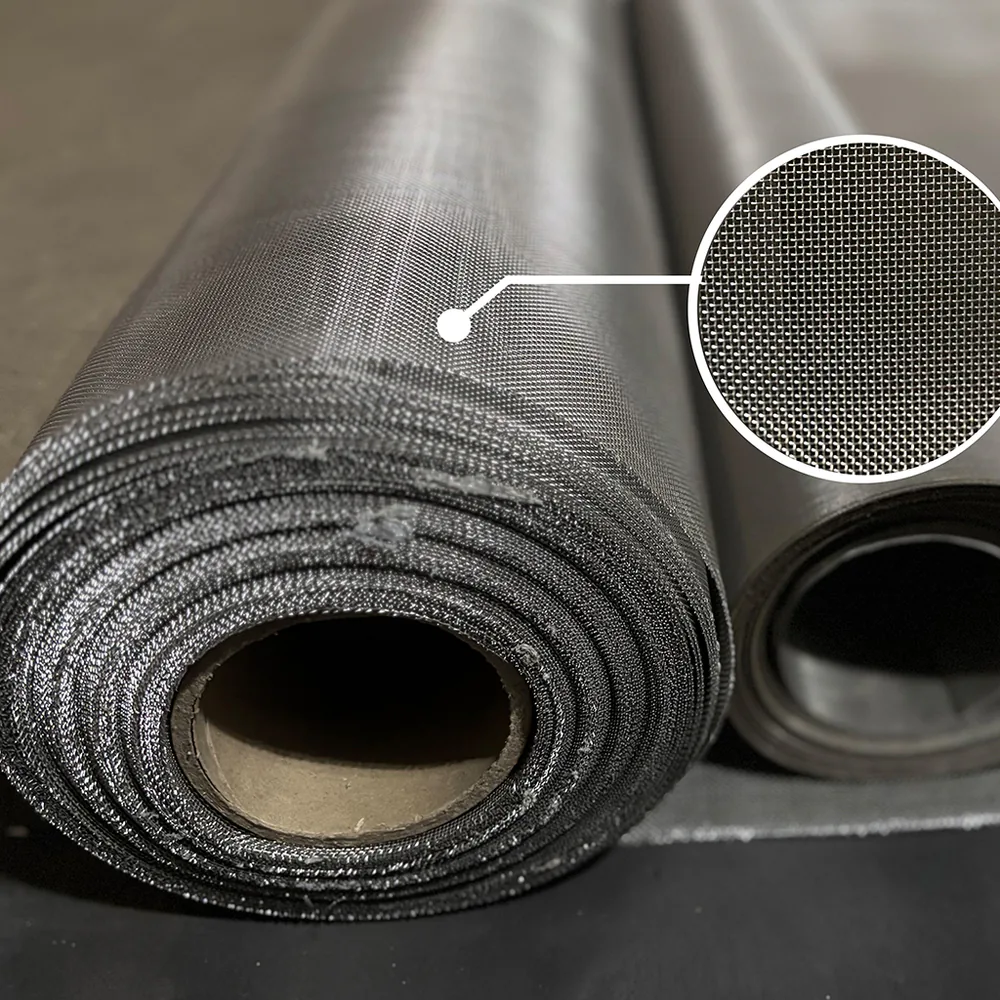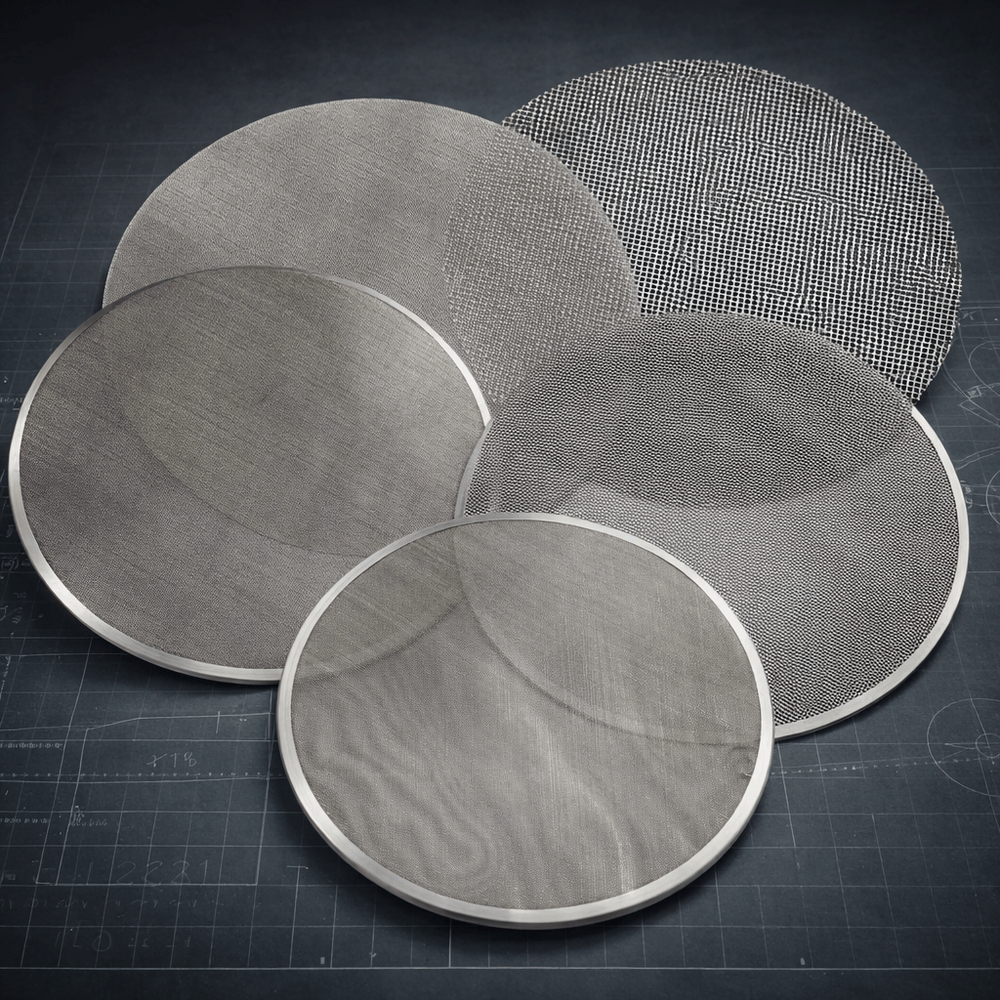
When sourcing stainless steel wire mesh for industrial filtration, sieving, or separation, you will encounter technical specifications like "100 mesh", "0.1mm wire diameter", and "30% open area". For procurement managers and engineers, understanding these terms is vital to ensuring that the mesh performs its filtration duties correctly.
Selecting the wrong mesh count can lead to poor filtration quality, premature clogging, or mechanical failure under pressure. In this engineering guide, we simplify wire mesh terminology and explain how to calculate and choose the perfect mesh for your application.
What is Mesh Count?
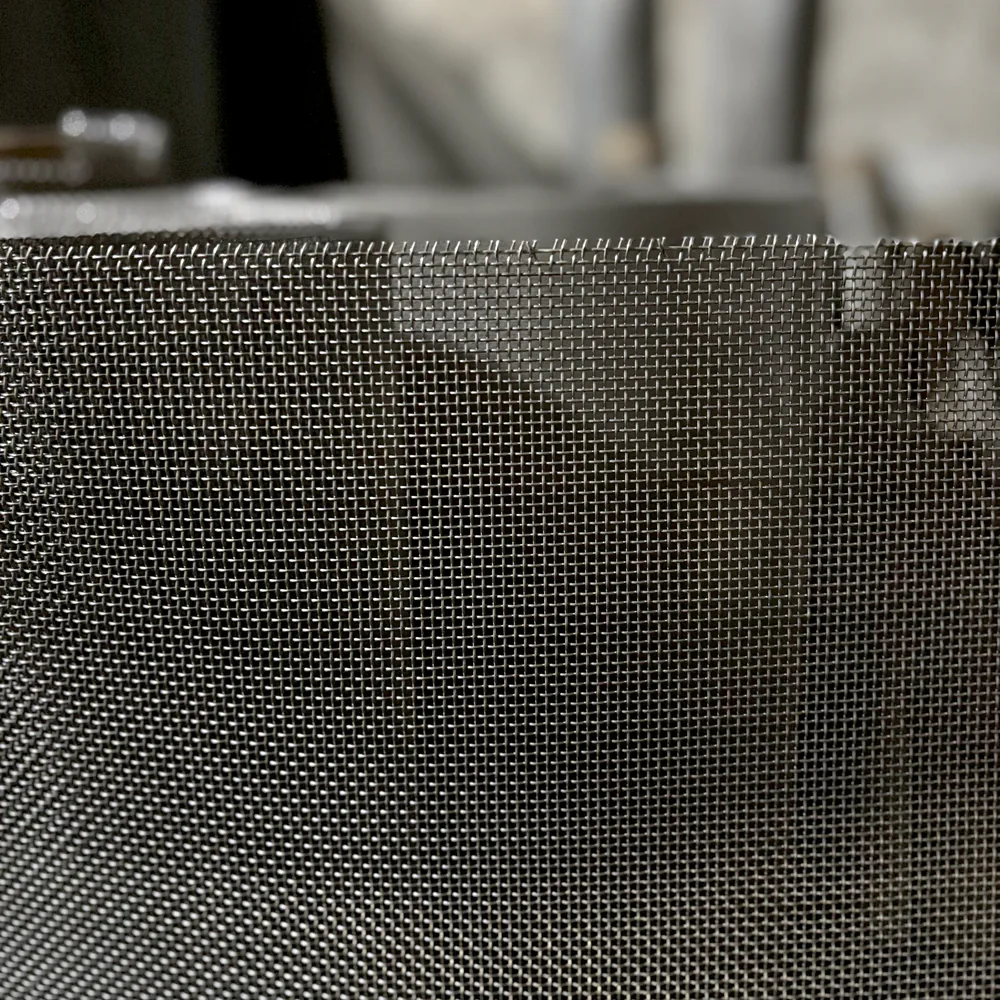
Mesh count (often simply called "Mesh") is the most common parameter used to specify woven wire cloth. It represents the number of openings per linear inch (25.4mm), measured from the center of one wire to the center of the next wire.
- A 4 Mesh screen has 4 openings per linear inch (coarse filtration).
- A 100 Mesh screen has 100 openings per linear inch (fine filtration).
- A 500 Mesh screen has 500 openings per linear inch (ultra-fine filtration).
The Three Pillars of Wire Mesh Geometry
To fully define a wire mesh, you need three interconnected measurements:
1. Mesh Count (N)
The number of wires/openings per linear inch.
2. Wire Diameter (d)
The thickness of the wire before weaving. Thicker wires make the mesh stronger and heavier but reduce the size of the openings and the open area.
3. Aperture / Opening Size (w)
The clear distance between two parallel wires. This determines the maximum particle size that can pass through the mesh.
The Golden Formula
Aperture Size (w) = (1 / Mesh Count) - Wire Diameter (d). For example, if you have a 10 mesh screen with a 0.025-inch wire diameter, the aperture is (1/10) - 0.025 = 0.075 inches.
What is Open Area Percentage?
Open area percentage represents the ratio of the total area of the openings to the total area of the screen. It is calculated as:
Open Area % = (Aperture / (Aperture + Wire Diameter))² x 100
A higher open area percentage means higher flow rates and lower pressure drops across the filter, but it also means the screen is structurally weaker because thinner wires are used.
How to Choose the Right Mesh for Your Application
Here is a quick reference guide based on common industrial requirements:
- Coarse Filtration (4 to 20 Mesh): Used for heavy-duty screening, gravel/sand separation, safety guards, and pre-filtration in water treatment.
- Medium Filtration (30 to 80 Mesh): Ideal for general industrial sieving, food processing, and protecting hydraulic valves from large debris.
- Fine Filtration (100 to 250 Mesh): Commonly used in pharmaceutical manufacturing, chemical processing, and extruder screen packs for plastic recycling.
- Ultra-Fine Filtration (300 to 500 Mesh): Used for high-precision scientific laboratories, aerospace fuel filtration, and separating microscopic particles.
Conclusion
Specifying wire mesh requires a careful balance between filtration precision (aperture size), mechanical strength (wire diameter), and flow efficiency (open area). Understanding these parameters ensures you select a mesh that delivers optimal performance and durability.
At Maruti Net Industries, our state-of-the-art weaving looms in Shapar, Rajkot produce premium stainless steel wire mesh with highly consistent aperture sizes and wire diameters. Contact our technical team today to find the perfect mesh specification for your industrial application.