The global push toward sustainability has placed plastic recycling at the forefront of modern manufacturing. However, recycling post-consumer and post-industrial plastic waste presents unique challenges. Contaminants such as paper, dirt, aluminum, and unmelted polymer particles can ruin the quality of the recycled pellets and damage expensive extrusion machinery.
This is where extruder screen filters play a vital role. Positioned inside the screen changer of an extruder, these high-precision wire mesh filters ensure that only pure, clean, molten polymer passes through to the die. In this article, we explore how extruder screens optimize the recycling process and why choosing the right filter is crucial.
What is an Extruder Screen Filter?
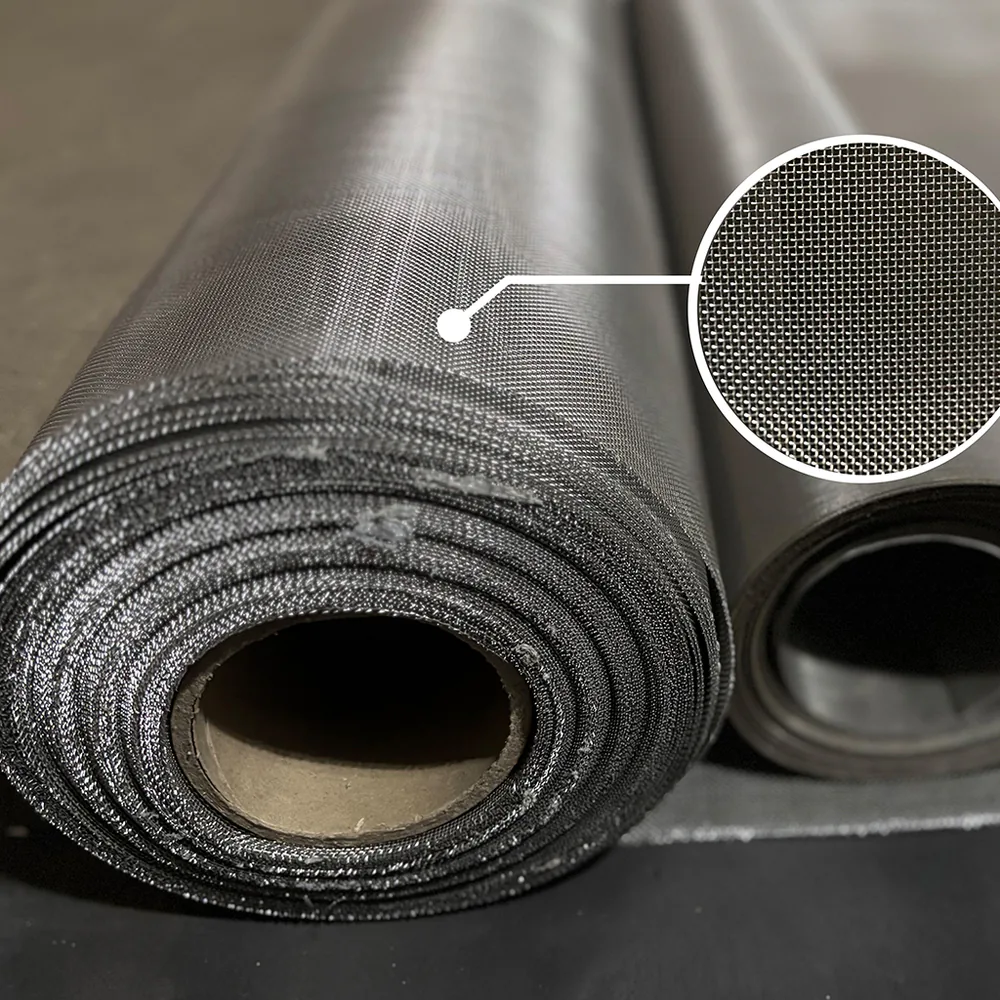
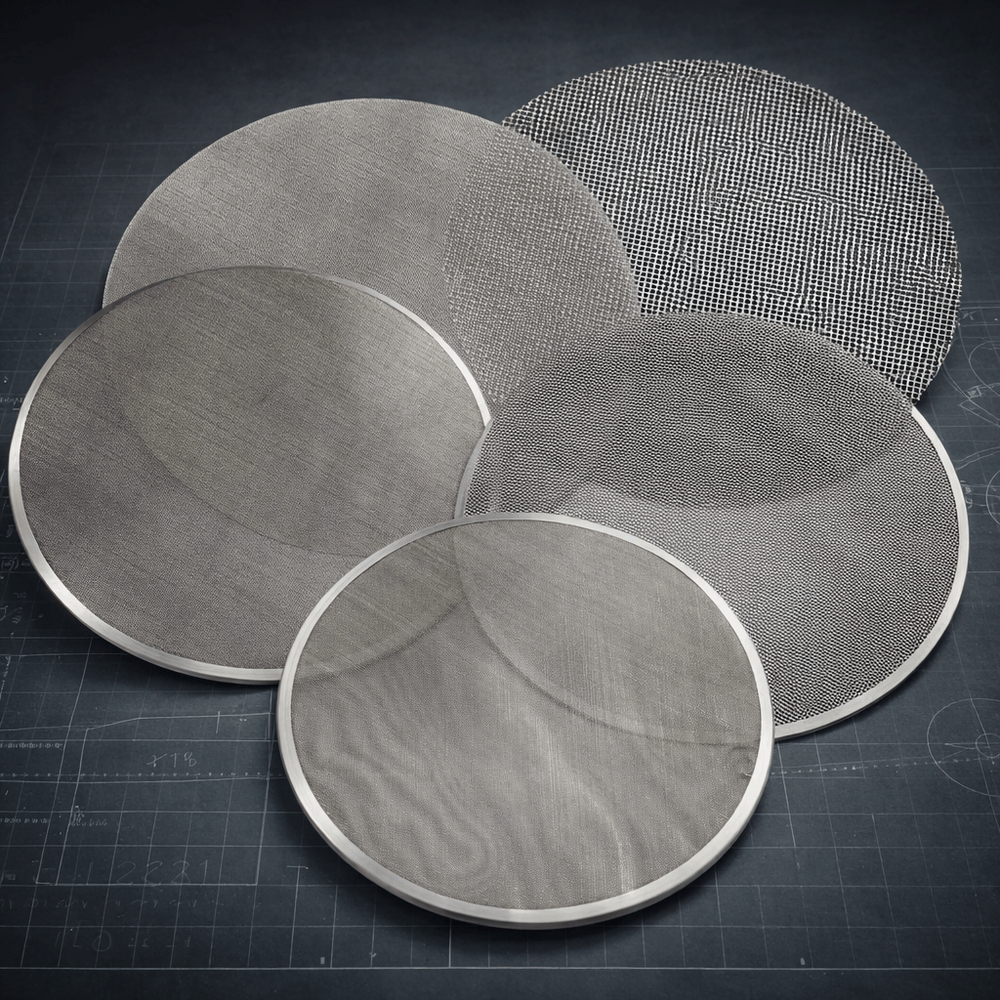
An extruder screen is a circular, oval, or rectangular wire mesh disc (or a combination of multiple meshes) inserted into the melt stream of an extruder. As the plastic is heated and pushed forward by the screw, it passes through the screen, which traps physical impurities.
Extruder screens are available in single layers or as spot-welded multilayer packs. Multilayer packs are particularly popular because they combine different mesh sizes to provide both coarse and fine filtration in a single pass.
How Extruder Screens Optimize Plastic Recycling
1. Improving Melt Purity and Product Quality
The primary goal of recycling is to produce high-quality plastic granules that can compete with virgin resins. Extruder screens filter out microscopic contaminants that would otherwise cause structural weaknesses, aesthetic defects, or black spots in the final molded products.
2. Protecting Downstream Equipment
Unmelted materials or metal fragments in the polymer melt can cause severe wear and tear on the extrusion screw, barrel, and die. A high-strength stainless steel screen acts as a shield, preventing these hard particles from reaching and damaging expensive machine components.
3. Maintaining Stable Melt Pressure
Filtration is a balancing act. If a screen is too fine, it clogs quickly, causing pressure to spike and reducing throughput. If it is too coarse, contaminants pass through. Properly engineered multilayer screen packs facilitate a gradual pressure drop, ensuring a stable and continuous extrusion process.
Single Layer vs. Multilayer Screen Packs
Depending on the level of contamination in your raw material, you can choose between:
- Single Layer Screens: Best for low-contamination polymer extrusion (like virgin plastic processing) or coarse pre-filtration.
- Spot-Welded Multilayer Packs: Ideal for heavily contaminated recycled plastics. These packs typically feature a fine mesh (e.g., 80 to 150 mesh) sandwiched between coarser support meshes (e.g., 20 and 40 mesh). The coarse meshes provide mechanical strength to withstand high pressures, while the fine mesh does the heavy lifting of filtration.
Why Spot-Welded Packs?
Spot-welded packs eliminate the risk of operator error during installation, ensuring that the layers are always in the correct order and preventing individual meshes from shifting or wrinkling under high polymer melt pressure.
Selecting the Right Material: SS 304 vs. SS 316
Most extruder screens are manufactured from SS 304 because of its excellent tensile strength and heat resistance. However, for recycling plastics that release acidic gases when melted (such as PVC or certain halogenated flame-retardant polymers), SS 316 or SS 316L is preferred due to its superior chemical resistance.
Conclusion
Extruder screen filters are small components that have a massive impact on the efficiency and profitability of plastic recycling operations. Investing in high-quality, precision-cut stainless steel screens reduces downtime, protects machinery, and ensures a premium-grade recycled product.
Maruti Net Industries is a leading manufacturer of custom extruder screen filters and SS circle filters in Shapar, Rajkot. We supply spot-welded packs, rimmed filters, and single-layer discs tailored to your exact screen changer dimensions and polymer specifications.