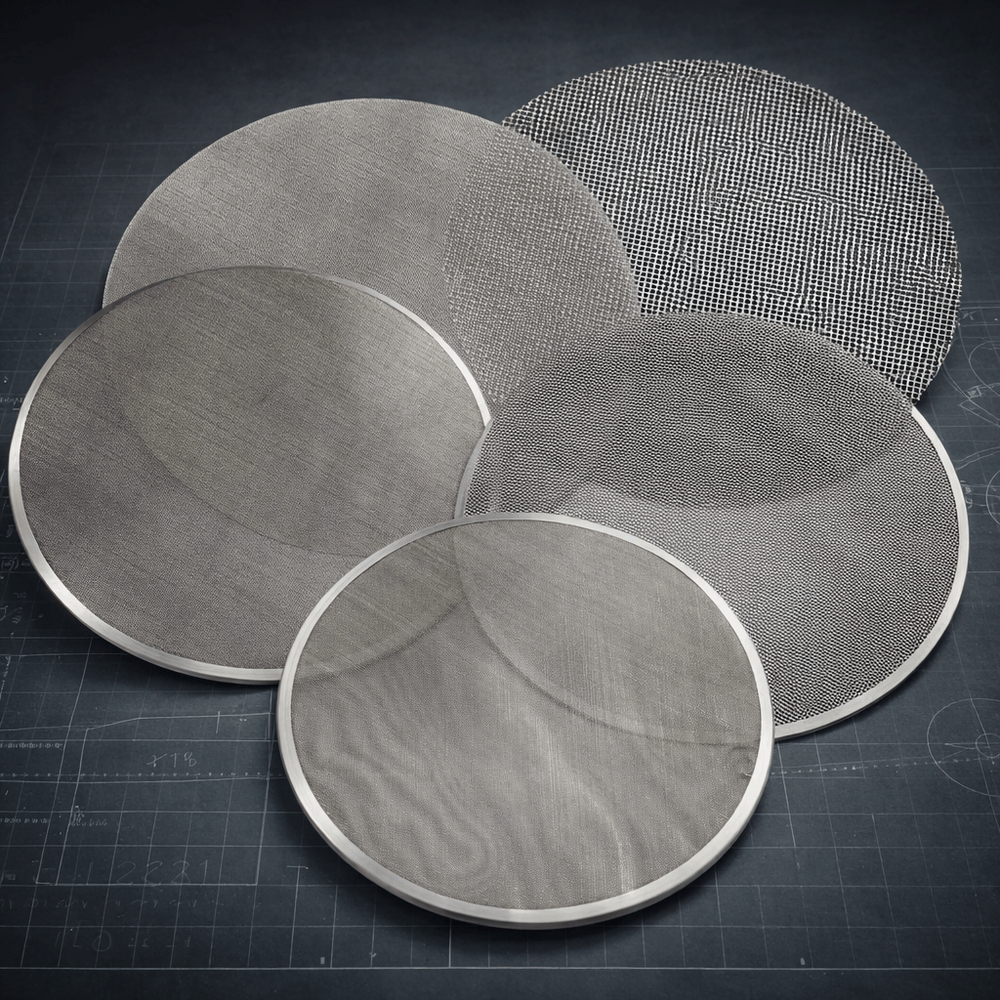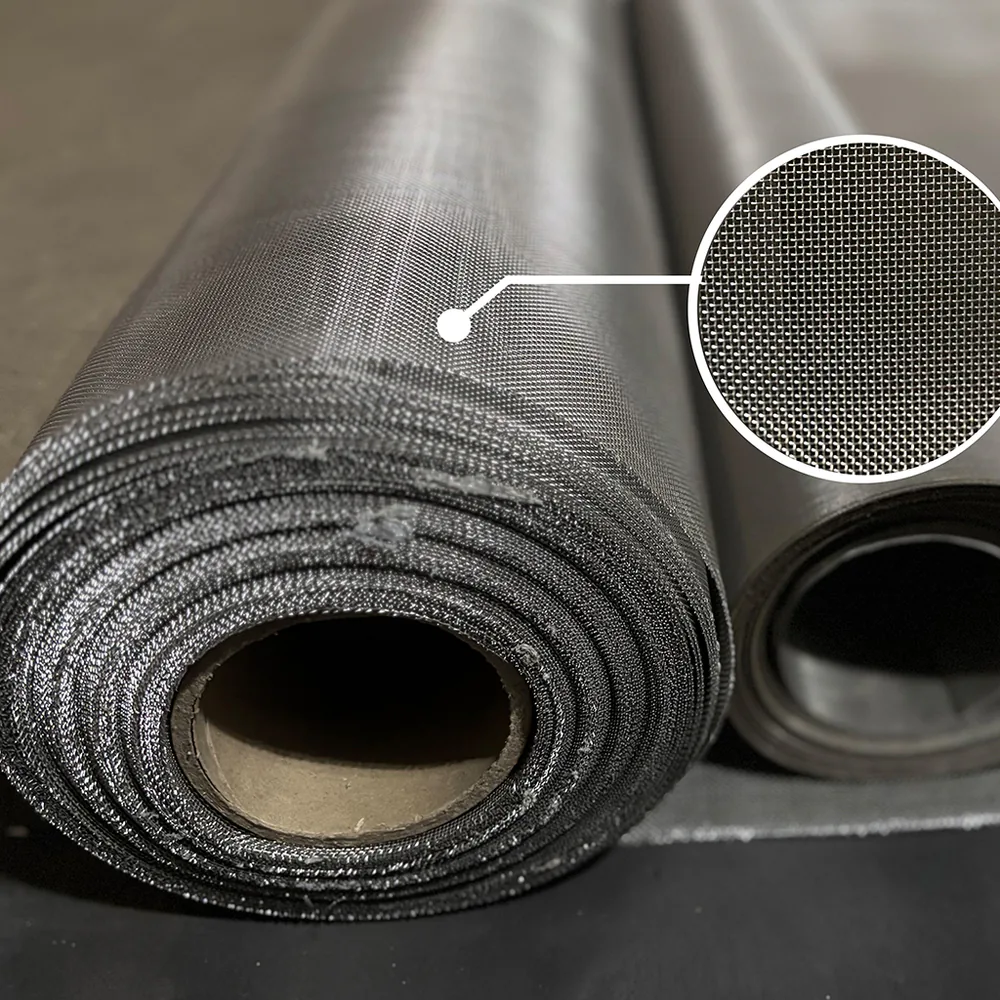
Stainless steel wire mesh is a cornerstone of modern industrial filtration, separation, and screening. From chemical processing plants to food manufacturing facilities, choosing the correct material grade is critical for ensuring durability, safety, and cost-effectiveness. The two most widely used grades in the industry are SS 304 and SS 316.
While they look virtually identical to the naked eye, their chemical compositions differ in ways that dramatically affect their performance in harsh environments. In this comprehensive guide, we will break down the differences between SS 304 and SS 316 wire mesh to help you make an informed decision for your specific applications.
Chemical Composition: The Molybdenum Difference
The fundamental difference between SS 304 and SS 316 lies in their chemical makeup. Both are austenitic stainless steel alloys containing high levels of chromium and nickel, which provide their core rust-resistance:
- SS 304 (18/8 Stainless Steel): Contains approximately 18% chromium and 8% nickel. It is the most common form of stainless steel used around the globe.
- SS 316 (Marine Grade Stainless Steel): Contains approximately 16% chromium, 10% nickel, and crucially, 2% to 3% molybdenum.
The Molybdenum Advantage
The addition of molybdenum in SS 316 dramatically increases its resistance to pitting and crevice corrosion in chloride-rich environments, such as marine applications, chemical plants, and environments with high salt exposure.
Corrosion Resistance Comparison
When it comes to general atmospheric corrosion, both grades perform exceptionally well. However, when exposed to aggressive chemicals, the differences become clear:
- Chloride Resistance: SS 304 is susceptible to pitting and degradation when exposed to saline solutions or salty air. SS 316 stands up to chlorides with ease, making it the standard choice for coastal regions and marine filtration.
- Acids and Alkalis: SS 316 offers superior resistance to sulfuric acid, phosphoric acid, acetic acid, and hot chloride solutions. SS 304 is suitable for milder organic acids and food-grade acids.
- Industrial Wastewater: In industrial wastewater treatment, where the chemical composition of the water varies wildly and often contains corrosive elements, SS 316 wire mesh is highly recommended.
Temperature Tolerances
Both SS 304 and SS 316 have excellent thermal properties, but they behave slightly differently at extreme temperatures:
- SS 304 wire mesh has a continuous service temperature limit of about 870°C (1600°F) and intermittent service up to 925°C.
- SS 316 wire mesh performs slightly better in continuous high-temperature environments, maintaining its mechanical strength and corrosion resistance up to 870°C, with a lower tendency to scale.
Common Applications for Each Grade
To help you decide which material fits your budget and performance requirements, here is a quick breakdown of their ideal applications:
When to Choose SS 304 Wire Mesh:
- Food processing and beverage filtration (where high-temperature sterilization is needed but salt/acid levels are moderate).
- Architectural mesh, insect screens, and residential mosquito nets.
- General industrial screening and sieving where moisture is present but chemical exposure is minimal.
- Cost-sensitive projects where standard rust protection is sufficient.
When to Choose SS 316 Wire Mesh:
- Pharmaceutical and medical applications requiring strict purity and resistance to aggressive cleaning agents.
- Chemical and petrochemical processing plants handling highly corrosive fluids.
- Marine filtration systems, offshore oil rigs, and coastal infrastructure.
- High-precision extruder screen filters for plastic recycling, where melting polymers can release corrosive gases.
Conclusion: Making the Right Choice
While SS 316 is the superior alloy in terms of corrosion resistance, SS 304 remains the workhorse of the industry due to its lower cost and excellent general-purpose properties. If your application does not involve heavy exposure to salts, acids, or marine environments, SS 304 wire mesh will deliver outstanding performance and longevity at a more economical price point.
At Maruti Net Industries, we manufacture high-quality wire mesh rolls and custom filter packs in both SS 304 and SS 316 grades, ranging from 4 to 500 mesh counts. Contact our engineering team today to discuss your specific filtration requirements and get a custom quote.