In industries like agriculture, mining, construction, and food processing, materials must undergo rigorous screening, grading, and sieving. These processes involve high-impact loads, continuous friction, and exposure to moisture or chemicals. Traditional plastic or mild steel screens quickly wear out, break, or rust under such harsh conditions.
Stainless Steel (SS) Jali represents the ultimate heavy-duty solution. Woven from thick, high-tensile stainless steel wires, SS jali offers unmatched strength, wear resistance, and longevity. In this guide, we discuss the unique characteristics of SS jali and its diverse applications across industries.
What is Stainless Steel Jali?
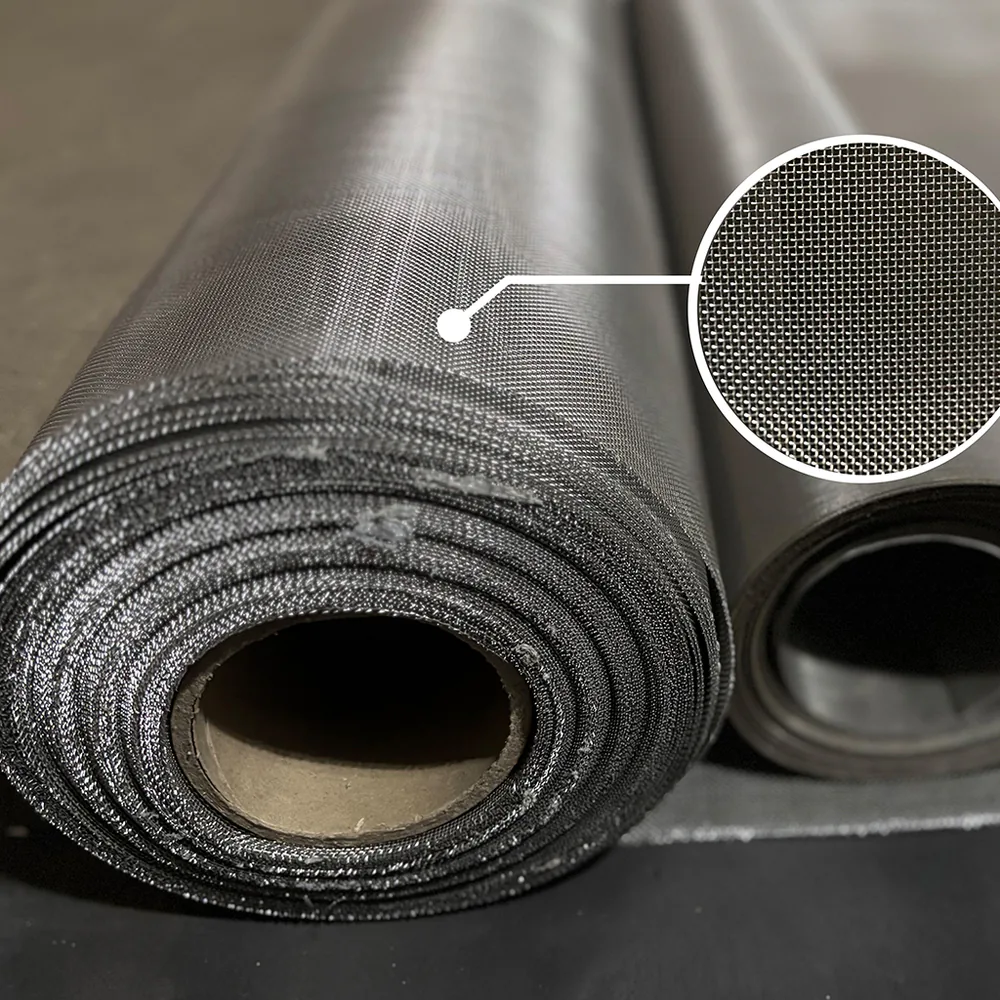
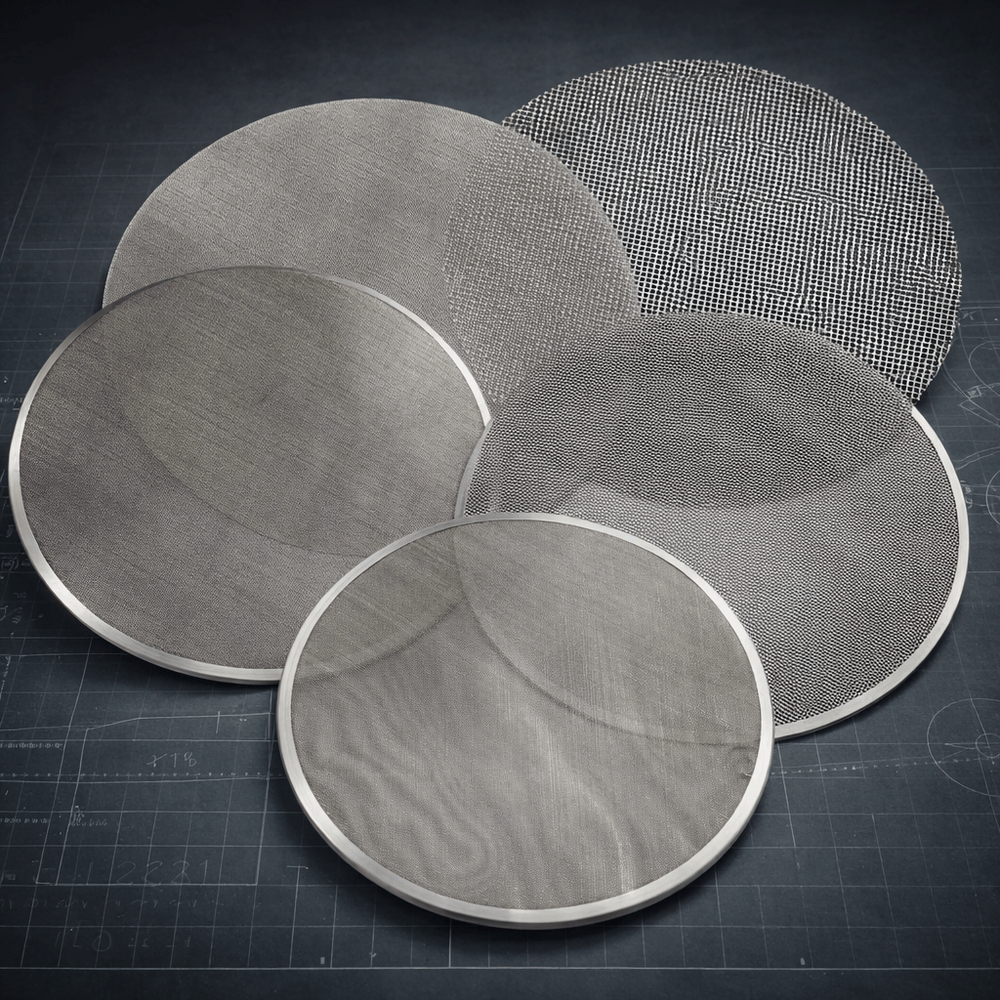
SS Jali is a robust, heavy-duty woven wire screen characterized by thick wire diameters and larger aperture sizes compared to fine filtration meshes. It is manufactured by weaving pre-crimped or straight stainless steel wires of grades SS 304, 316, or 316L.
The crimping process gives the wires a wavy structure, which locks them securely at the intersections. This prevents the wires from shifting even under heavy vibration or high-impact loads, ensuring consistent aperture sizes throughout the screen's lifetime.
Key Advantages of SS Jali
1. High Tensile Strength and Impact Resistance
SS jali is built to handle heavy loads. Whether screening large stones, agricultural grains, or chemical powders, the high-tensile stainless steel wires resist bending, stretching, and breaking.
2. Outstanding Wear and Abrasion Resistance
Continuous sieving causes severe friction between the material and the screen. Stainless steel alloys are highly resistant to abrasive wear, ensuring that the jali maintains its structural integrity and aperture accuracy far longer than carbon steel or synthetic alternatives.
3. Corrosion and Rust Protection
Exposure to wet materials, rain, or chemical cleaning agents can quickly rust standard screens. SS jali is naturally rust-proof, making it ideal for outdoor screening, food processing, and chemical grading.
4. Hygienic and Food-Safe
For food processing and agricultural grading, SS 304/316 jali is the standard because it does not leach contaminants, is easy to clean, and can withstand high-temperature sterilization.
Diverse Applications of SS Jali
- Agriculture & Grain Milling: Grading, sorting, and cleaning wheat, rice, pulses, and seeds in flour mills and agricultural processing units.
- Chemical & Pharmaceutical: Sieving and separating chemical powders, granules, and active pharmaceutical ingredients (APIs).
- Mining & Quarrying: Coarse screening and grading of ores, coal, gravel, and sand in vibrating screen machinery.
- Construction & Architecture: Used as safety guards, decorative grilles, partition screens, and ventilation panels in modern buildings.
Conclusion
SS Jali is a heavy-duty workhorse that delivers reliable, consistent screening performance in the most demanding environments. Investing in high-quality stainless steel jali reduces replacement costs, prevents downtime, and guarantees accurate material grading.
At Maruti Net Industries, we manufacture premium SS jali in various wire thicknesses, aperture sizes, and dimensions. Our state-of-the-art facility in Shapar, Rajkot ensures highly uniform weaves and unmatched durability. Contact us today to discuss your screening and sieving requirements.