India, and specifically the state of Gujarat, has established itself as a premier global manufacturing hub for industrial stainless steel wire mesh. Thanks to advanced weaving looms, access to premium-grade raw steel, and excellent maritime shipping connections, importing wire mesh from India has become the preferred choice for industrial buyers, trading houses, and polymer recycling plants worldwide.
However, importing across borders requires a solid understanding of product specifications, material verification, seaworthy packaging, and port logistics. In this comprehensive guide, we walk you through the essential steps to import SS wire mesh successfully from India.
Why Buy Stainless Steel Wire Mesh from India?
When sourcing industrial filtering products, buyers look for three core factors: consistent quality, competitive pricing, and reliable lead times. India excels in all three:
- Cost-Effective Manufacturing: Direct factory sourcing from Indian hubs like Rajkot bypasses expensive third-party distributor margins.
- International Standards: Indian manufacturers weave SS mesh in strict compliance with international standards such as ASTM E2016 (Standard Specification for Industrial Woven Wire Cloth) and ISO 9044.
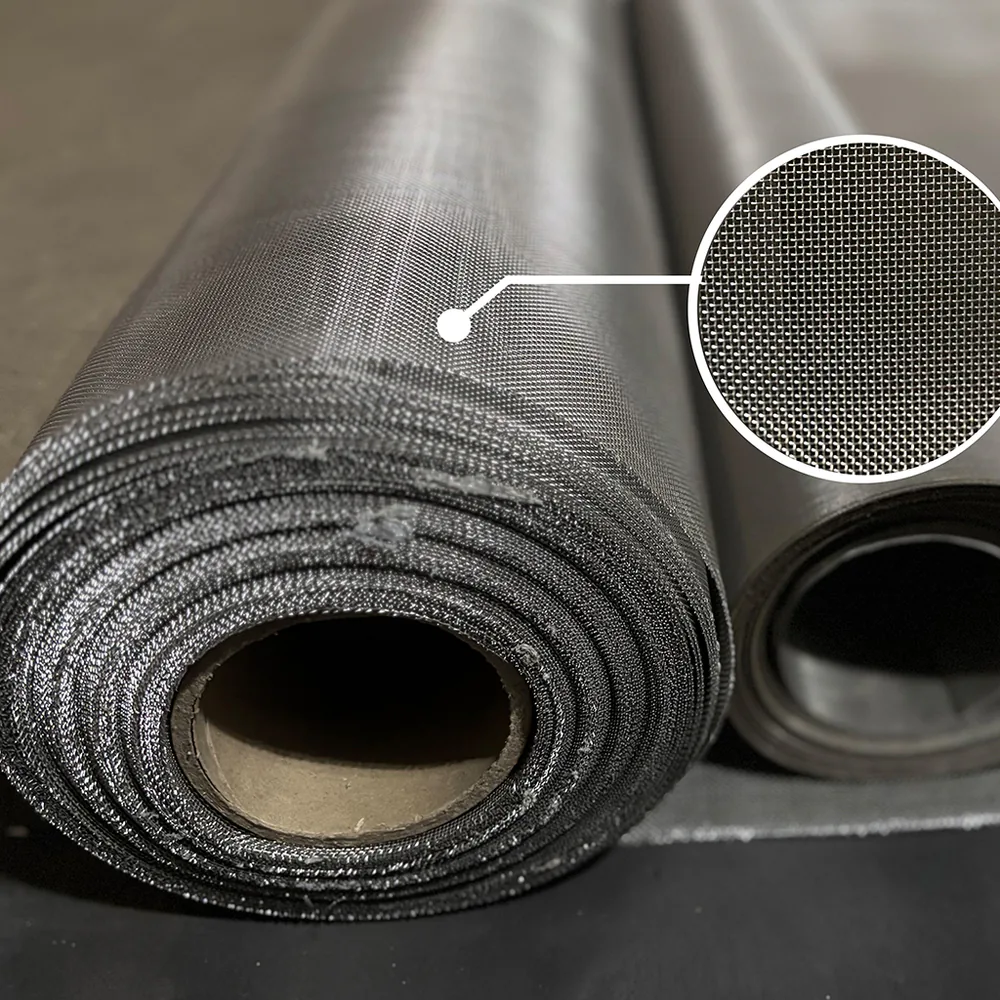
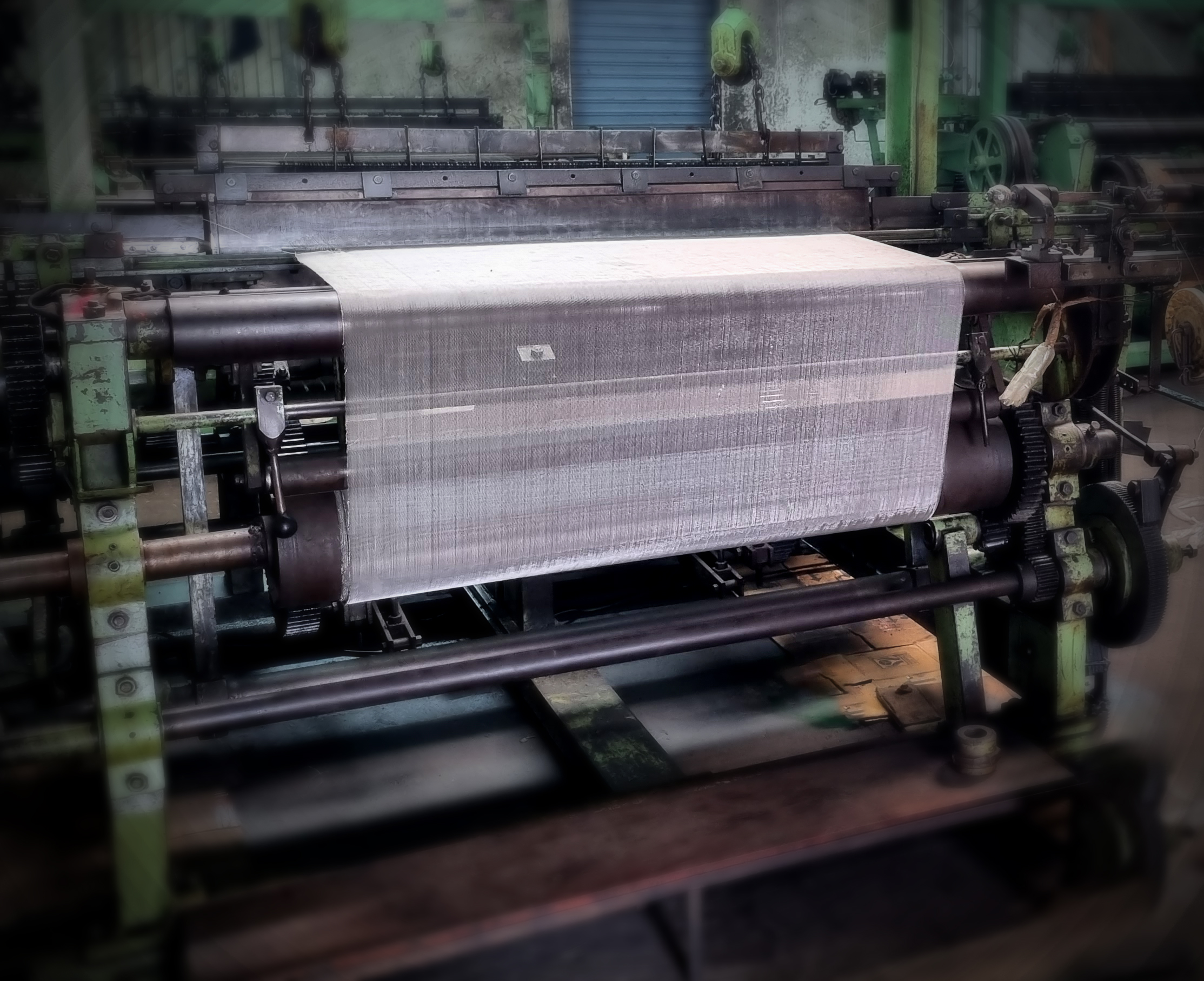
- Advanced Weaving Technology: From coarse 4 mesh sieve grids to ultra-fine 500 mesh Dutch-weave filtration screens, Indian factories utilize automatic mechanical looms to ensure zero weaving defects.
Selecting the Right Specifications for Your Needs
Woven wire mesh is highly customizable. Before placing an import order, ensure you have defined the following parameters:
- Material Grade: The most common grades are SS 304 (general filtration, mosquito screens) and SS 316 / SS 316L (marine, chemical, and pharmaceutical use due to molybdenum-enhanced corrosion resistance).
- Mesh Count: The number of openings per linear inch. This ranges from 4 mesh (coarse) to 500 mesh (microscopic liquid filtration).
- Wire Diameter & Aperture: Thicker wires increase the screen's durability under pressure, but decrease the open area percentage and flow rate. A direct factory can help balance these values.
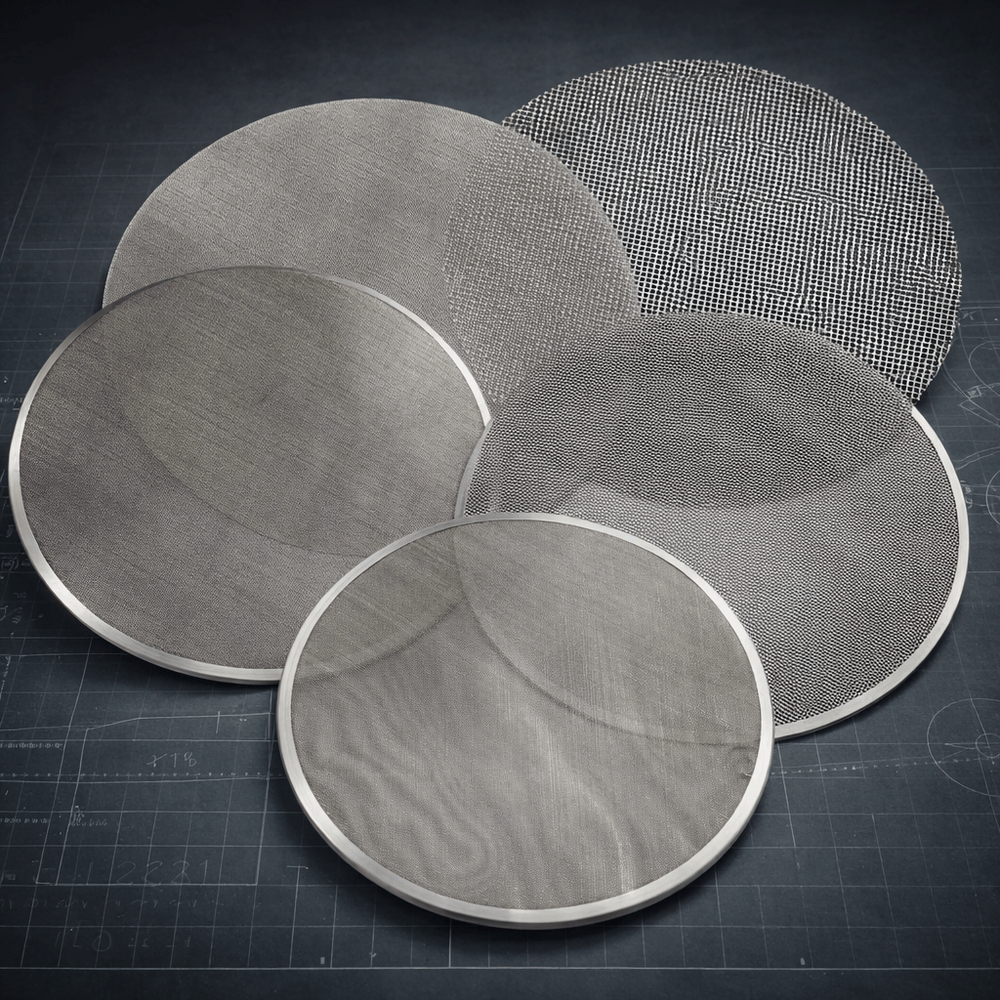
- Format: Rolls (typical width of 1m, 1.2m, or 1.5m), single-layer discs, multi-layer spot-welded packs, or aluminum-rimmed extruder screens.
Export-Grade Packaging: Safeguarding Your Cargo at Sea
Ocean transit exposes steel cargo to high humidity and salty air, which can cause surface oxidation or watermark stains if not protected. Additionally, rolls can get crushed if stacked incorrectly. To ensure your shipment arrives in pristine condition, insist on a multi-layer packaging standard:
- Inner Moisture Barrier: Each roll is tightly wrapped in water-resistant plastic film and bubble wrap to repel damp sea air.
- Outer Protection: Rolls are placed inside heavy-duty cardboard tubes to maintain shape.
- Seaworthy Wooden Crates: For container shipping, the rolls or filter packs are stacked in fumigated wooden boxes (compliant with ISPM-15 standards) to prevent crushing or movement during rough sea voyages.
Logistics and Transit Times from Indian Ports
Gujarat is home to Mundra Port and Pipavav Port, two of India's largest and most technologically advanced container terminals. This proximity allows factories in Rajkot to dispatch containers onto vessels with minimal inland transit time.
Average Ocean Transit Times from Gujarat, India:
1. United Arab Emirates (Dubai - Jebel Ali Port): 6 to 8 days. 2. Saudi Arabia (Dammam / Jeddah Port): 10 to 14 days. 3. East Africa (Mombasa Port, Kenya): 12 to 15 days. 4. South Africa (Durban / Cape Town Port): 20 to 25 days. 5. West Africa (Lagos - Apapa Port, Nigeria): 30 to 35 days.
Ensuring Traceability and Quality Verification
To avoid importing low-quality or impure steel grades, request a Certificate of Analysis (COA) or Material Test Report (MTR). This document displays the exact chemical composition of the wire batch (verifying the required Nickel, Chromium, and Molybdenum percentages), guaranteeing that you get the exact performance grade you paid for.
Conclusion: Partnering with a Reliable Exporter
Importing stainless steel wire mesh from a direct manufacturer in India combines cost efficiency with export-grade performance. By choosing a factory with a proven international track record, you secure stable supply lines, robust packaging, and complete customs documentation.
Maruti Net Industries is a premier direct manufacturer and exporter of stainless steel wire mesh rolls, extruder screen filters, and SS jali. We provide seaworthy packaging, chemical composition test certificates, and support FOB, CIF, or CFR trade terms to global ports.
For region-specific inquiries and port details, please visit our dedicated international export hubs: [United Arab Emirates (UAE)](/ss-wire-mesh-supplier-uae), [Saudi Arabia](/ss-wire-mesh-supplier-saudi-arabia), [South Africa](/ss-wire-mesh-supplier-south-africa), [Kenya](/ss-wire-mesh-supplier-kenya), [Nigeria](/ss-wire-mesh-supplier-nigeria), and [Iraq](/ss-wire-mesh-supplier-iraq). Feel free to contact our export sales desk today.