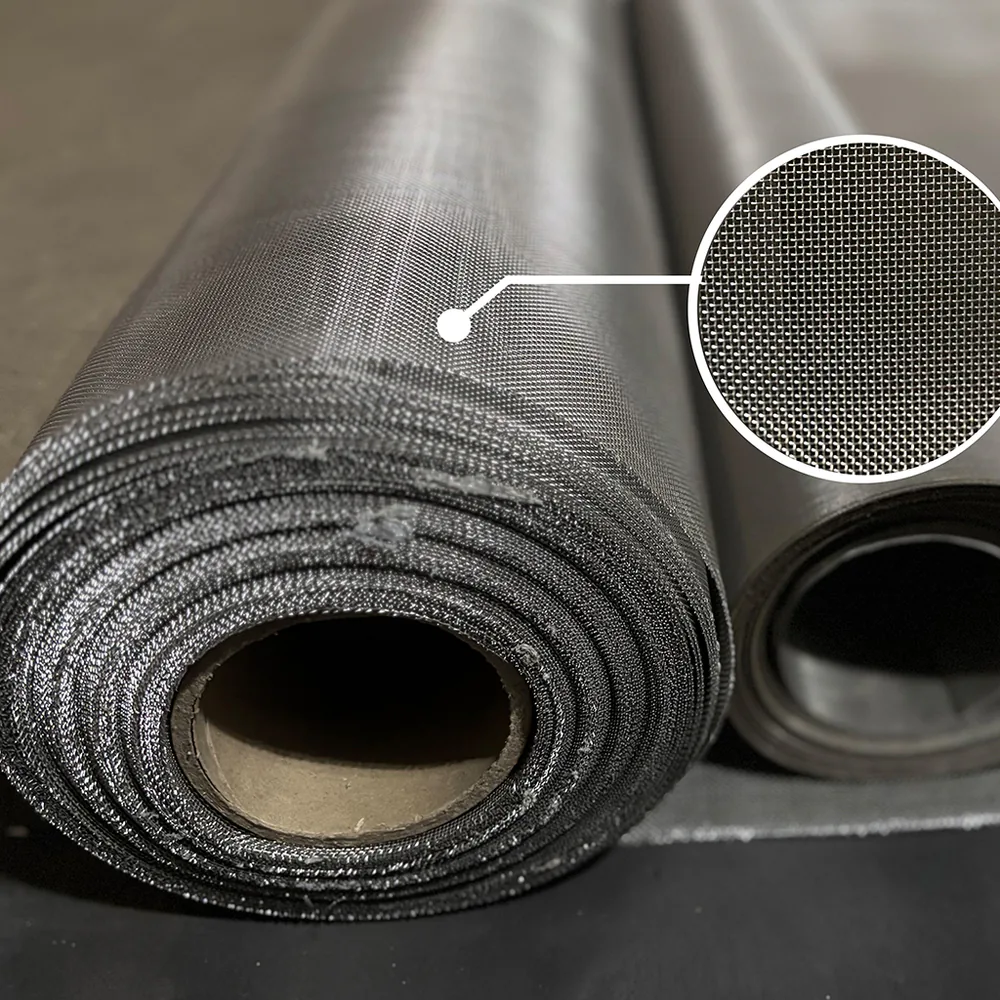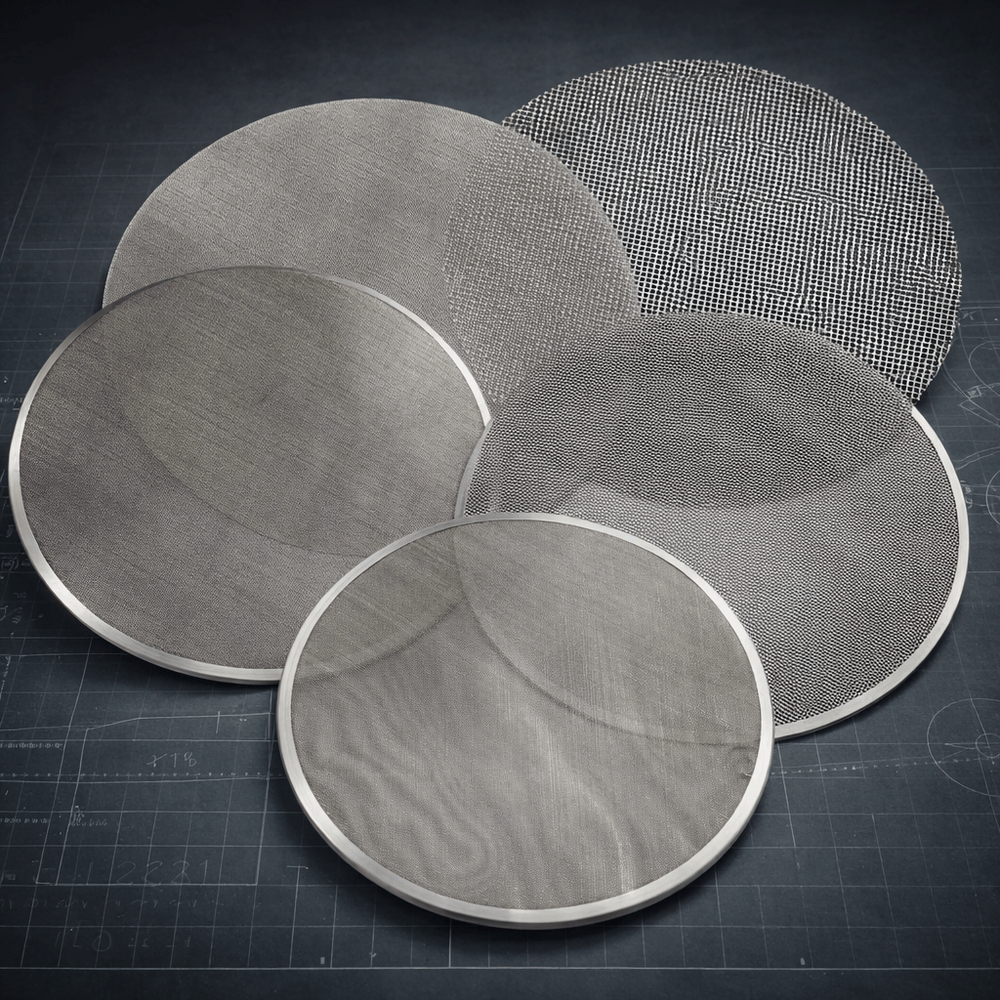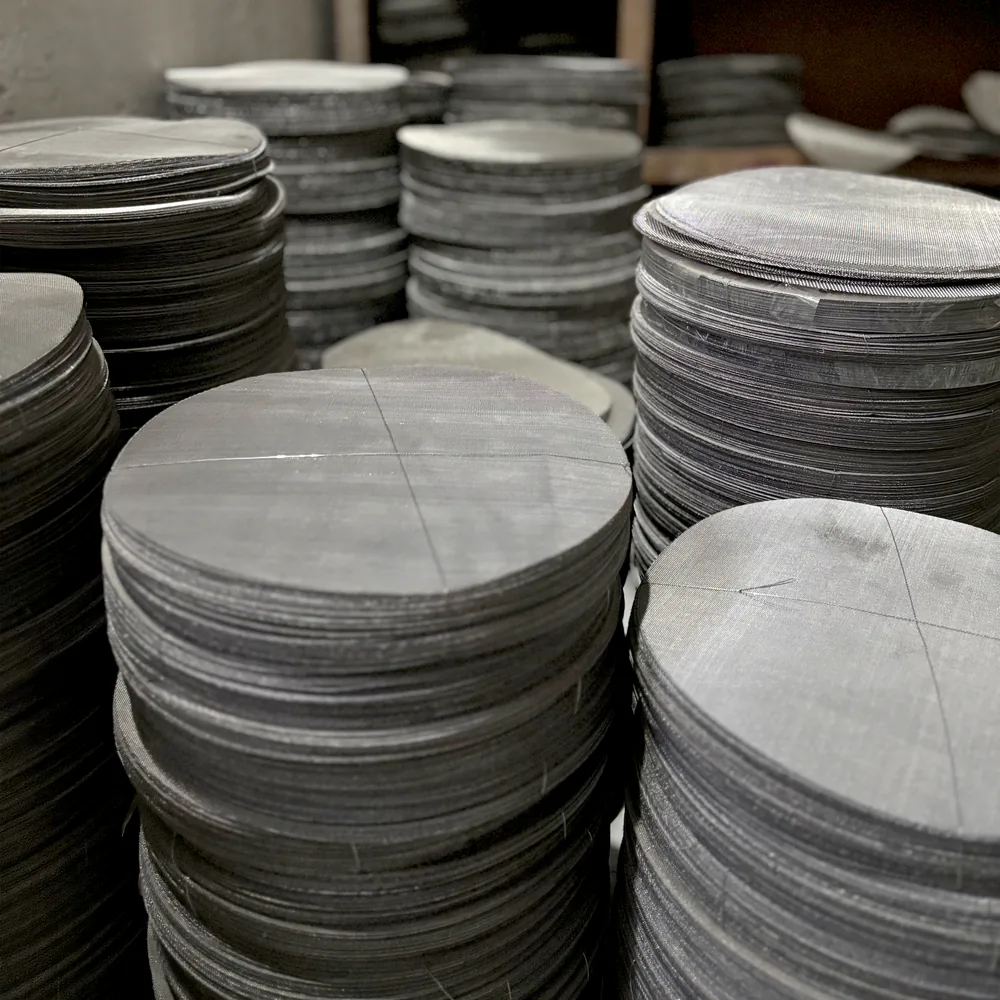
Stainless steel wire mesh is highly regarded across industries for its incredible durability, heat resistance, and natural resistance to rust. However, "stainless" does not mean "never stains." Over time, industrial wire mesh filters, extruder screens, and SS jali can accumulate dirt, grease, chemical residues, and polymer buildup.
If left uncleaned, these contaminants can block the mesh openings, reduce flow rates, increase system pressure, and eventually trigger localized pitting corrosion. Regular cleaning and proper maintenance are essential to ensuring your wire mesh operates at peak efficiency and achieves its maximum possible lifespan.
Why Does Stainless Steel Need Cleaning?
Stainless steel's corrosion resistance comes from an extremely thin, invisible surface layer called the passive chromium oxide film. This layer forms naturally when chromium in the steel reacts with oxygen in the air.
When contaminants cover the surface of the mesh, they block oxygen from reaching the metal. This prevents the passive layer from reforming if it gets scratched or damaged, making the steel vulnerable to rust. Regular cleaning removes these barriers and keeps the protective layer healthy.
Step-by-Step Cleaning Methods
Depending on the type of contamination and your industry (food, pharma, or heavy industrial), choose one of the following cleaning methods:
1. General Cleaning (Dust, Dirt, and Light Residues)
- Rinse: Flush the mesh with clean, warm water to remove loose debris.
- Wash: Apply a mild liquid detergent or soap solution using a soft nylon brush or sponge. Gently scrub in the direction of the weave.
- Rinse Again: Thoroughly rinse with clean water to remove all soap residues.
- Dry: Allow the mesh to air dry completely, or blow-dry with clean compressed air to prevent water spots.
2. Degreasing (Oils, Fats, and Greases)
For machinery filters or food processing screens coated in organic oils, use organic solvents like isopropyl alcohol, acetone, or specialized alkaline degreasers. Soak the mesh in the solvent, gently brush, rinse with clean demineralized water, and dry.
3. Ultrasonic Cleaning (High-Precision & Fine Meshes)
For ultra-fine wire mesh (e.g., 200 to 500 mesh) or complex multilayer extruder screen packs, manual brushing can damage the delicate wires. Ultrasonic cleaning is the safest and most effective method. It uses high-frequency sound waves in a cleaning solution to create microscopic bubbles that blast away contaminants from the tiniest apertures without touching the wires.
Critical Mistakes to Avoid
Never Use These on Stainless Steel!
1. Steel Wool or Metal Brushes: These leave carbon steel particles embedded in the stainless steel, which will rust rapidly and ruin the mesh. 2. Chlorine Bleach or Halogen Cleaners: Chlorides break down the passive chromium oxide layer and cause severe pitting corrosion. 3. Highly Abrasive Powders: These scratch the polished surface, creating crevices where dirt and bacteria can hide.
Passivation: Restoring the Protective Layer
If your wire mesh has been exposed to harsh chemicals or mechanical wear, performing a chemical passivation treatment can restore its corrosion resistance. Passivation involves soaking the clean mesh in a mild nitric acid or citric acid bath. This removes free iron from the surface and accelerates the formation of the protective chromium oxide layer.
Conclusion
A simple, proactive maintenance routine can easily double or triple the service life of your stainless steel wire mesh filters. By keeping the mesh clean and unobstructed, you ensure stable system pressures, pure filtration, and maximum return on your investment.
At Maruti Net Industries, we manufacture high-grade SS 304 and SS 316 wire mesh designed to withstand rigorous industrial cleaning cycles. Contact our team today for expert advice on choosing and maintaining filtration products for your specific industry.